D2C Ecommerce:
From Scattered Spend to a Growth System
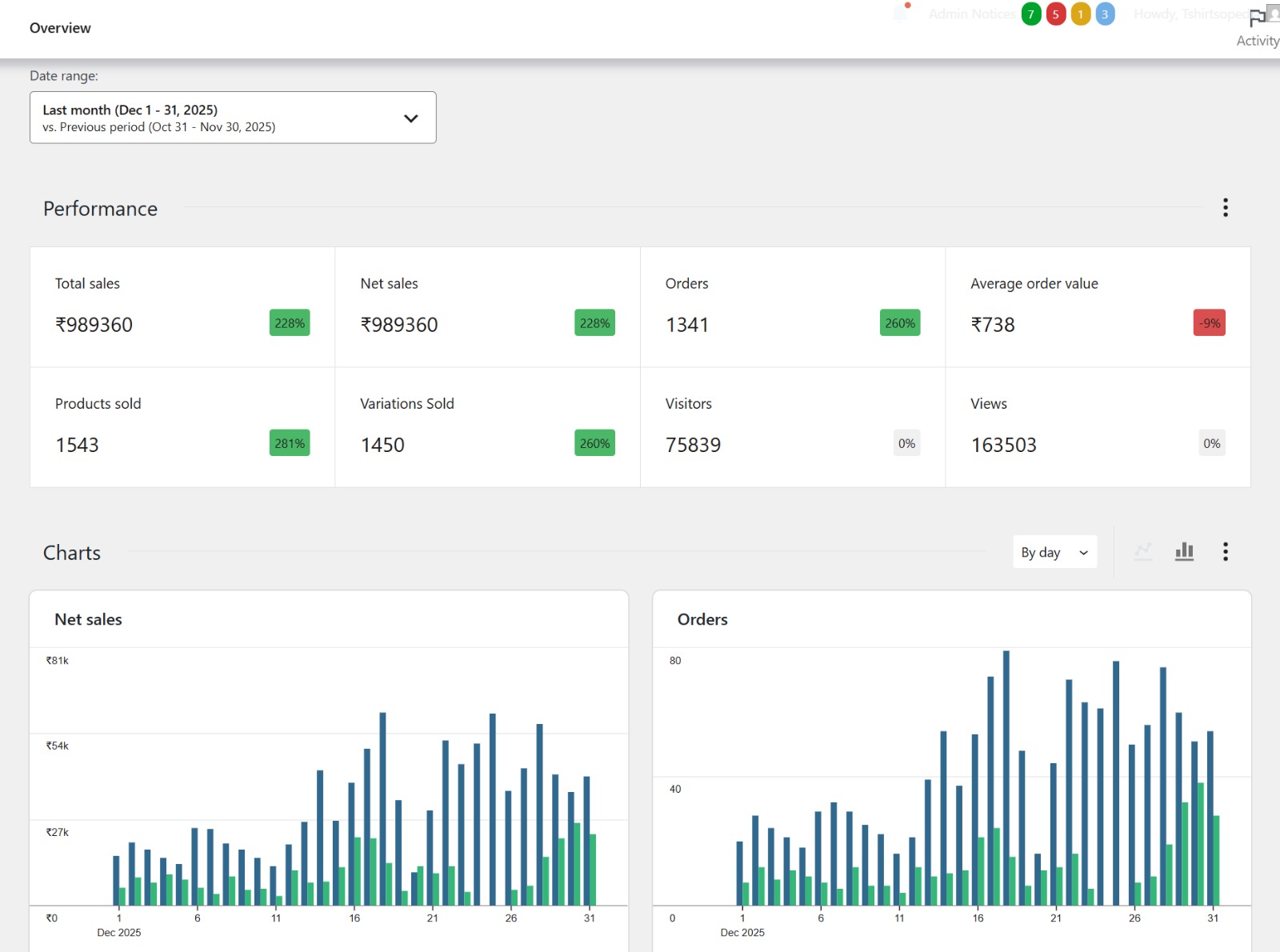
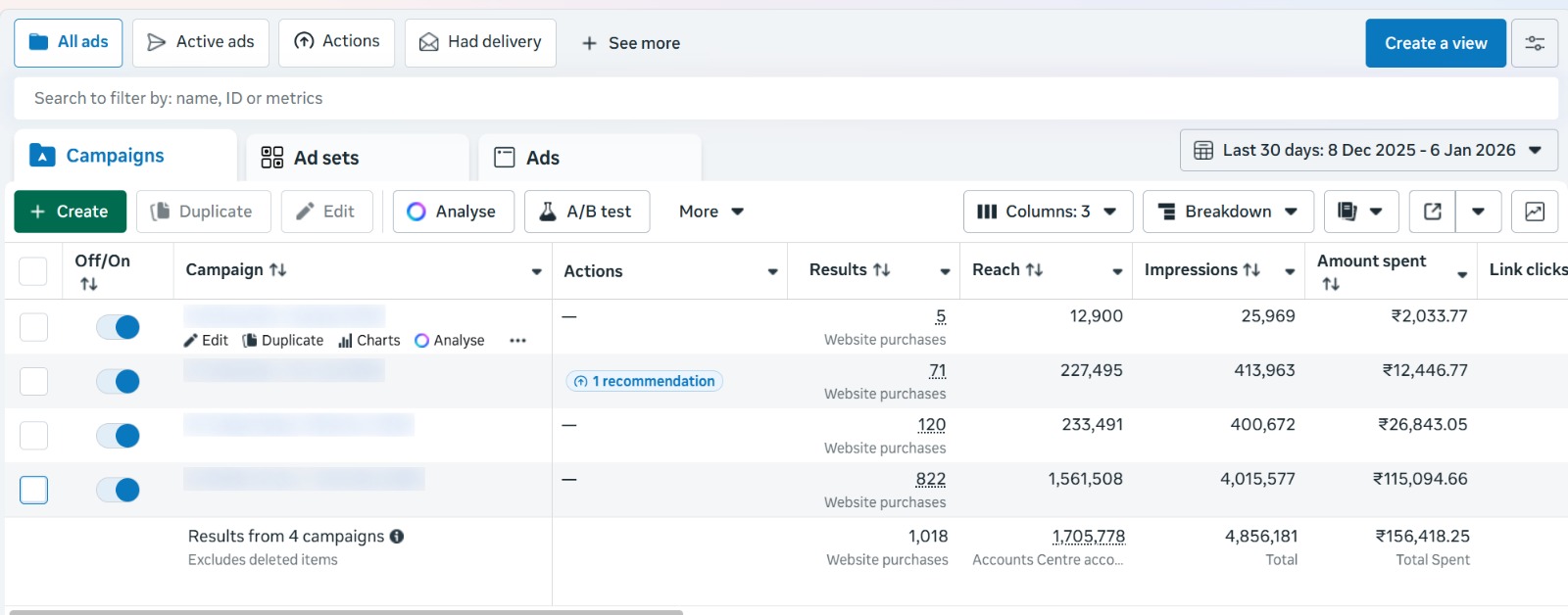
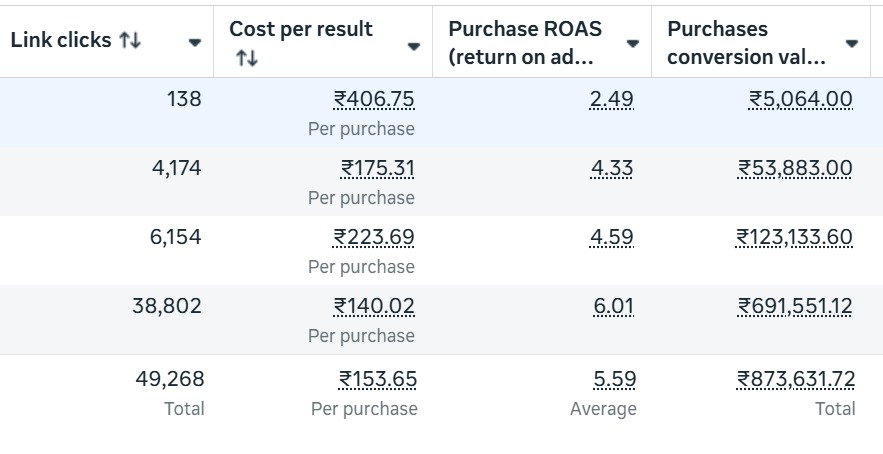
How I took an ecommerce brand from unstructured ad spend to a full-funnel performance system — generating ₹9.89L in revenue in a single month with a 5.59x average ROAS on Meta.
Tracking Setup:
Getting the Data Right Before Scaling Ads
Before running ads at scale, the data needs to be trusted. This is how I audited, diagnosed, and fixed a broken tracking setup — connecting GTM to Meta Pixel, GA4, and Google Ads with clean, accurate event data.
How the data flows
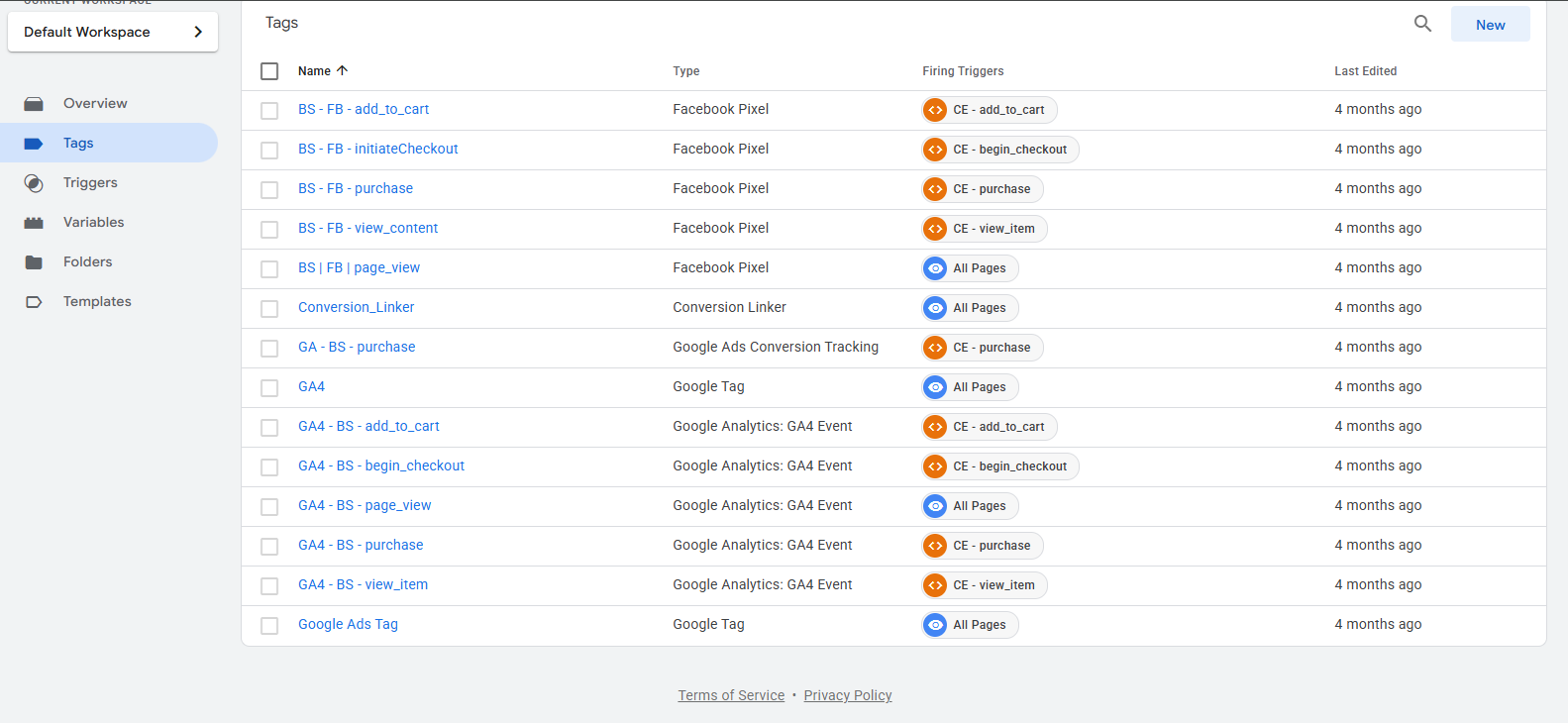
Every marketing decision depends on accurate data. The full tracking stack connects the website → GTM → Meta Pixel → GA4 → Google Ads. If any layer breaks, the entire ad account optimizes on bad signals
Problem
Tracking existed but the data was unreliable
GTM was installed and tags were firing. But the data coming into Meta Events Manager and GA4 had wrong parameters — meaning the events were technically triggering, but the information attached to them was incorrect. The ad account was optimizing on bad signals.
This is harder to catch than a missing pixel
When nothing tracks, the problem is obvious. When events fire but with wrong parameters, everything looks fine on the surface — until you dig into the actual data layer values being passed. Most people don’t check this level.
Diagnosed and Solution
GTM Preview Mode — checked every tag and trigger
Opened GTM in preview mode and walked through the purchase flow on the live site. This shows exactly which tags fire on which events, and what data is being passed at the moment of firing. This is where the first signs of wrong parameters appeared.
DataLayer Checker — inspected raw values
Used the DataLayer Checker Chrome extension to read the actual dataLayer object being pushed by the website on each event. This showed exactly what values were available — and confirmed that content_id and event_name values were either missing or mismatched from what GTM tags expected.
Google Tag Assistant — validated firing sequence
Used Tag Assistant to confirm the order tags were firing and check for any conflicts or misfires. Helped verify that after fixes, all tags were loading correctly on the right pages.
Clean tracking is what made the ad results possible. The 5.59x ROAS and ₹153 CPP in December were not just from good campaign structure. The algorithm had clean, accurate purchase data to optimize against. Fix the data first — then scale.
The Starting Point
Ads running, results weren't
The brand was already spending on ads but had no clear campaign structure, no creative strategy, and no reliable way to measure what was working. Budget was going out with no direction.
Tracking not set up correctly
Pixel events weren't firing properly. Without clean conversion data, every optimization decision was a guess. The algorithm had nothing reliable to learn from.
No creative system
Creatives were inconsistent with no angle testing and no learning between campaigns. Nothing was being built on from one month to the next.
What I Built
Tracking setup first
Fixed pixel installation and verified all standard events — ViewContent, AddToCart, Purchase — through Events Manager. No optimization without clean data.
Campaign structure
Built separate testing and scaling campaigns. Used Advantage+ for top performers. Kept structure simple so data stayed readable and decisions stayed clear.
Creative testing by angle
Tested product, lifestyle, offer-led, and social proof angles weekly. Killed non-performers fast, moved winners to the Advantage+ scaling campaign. Campaign 4 hit 6.01x ROAS on this process.
Google Ads for intent capture
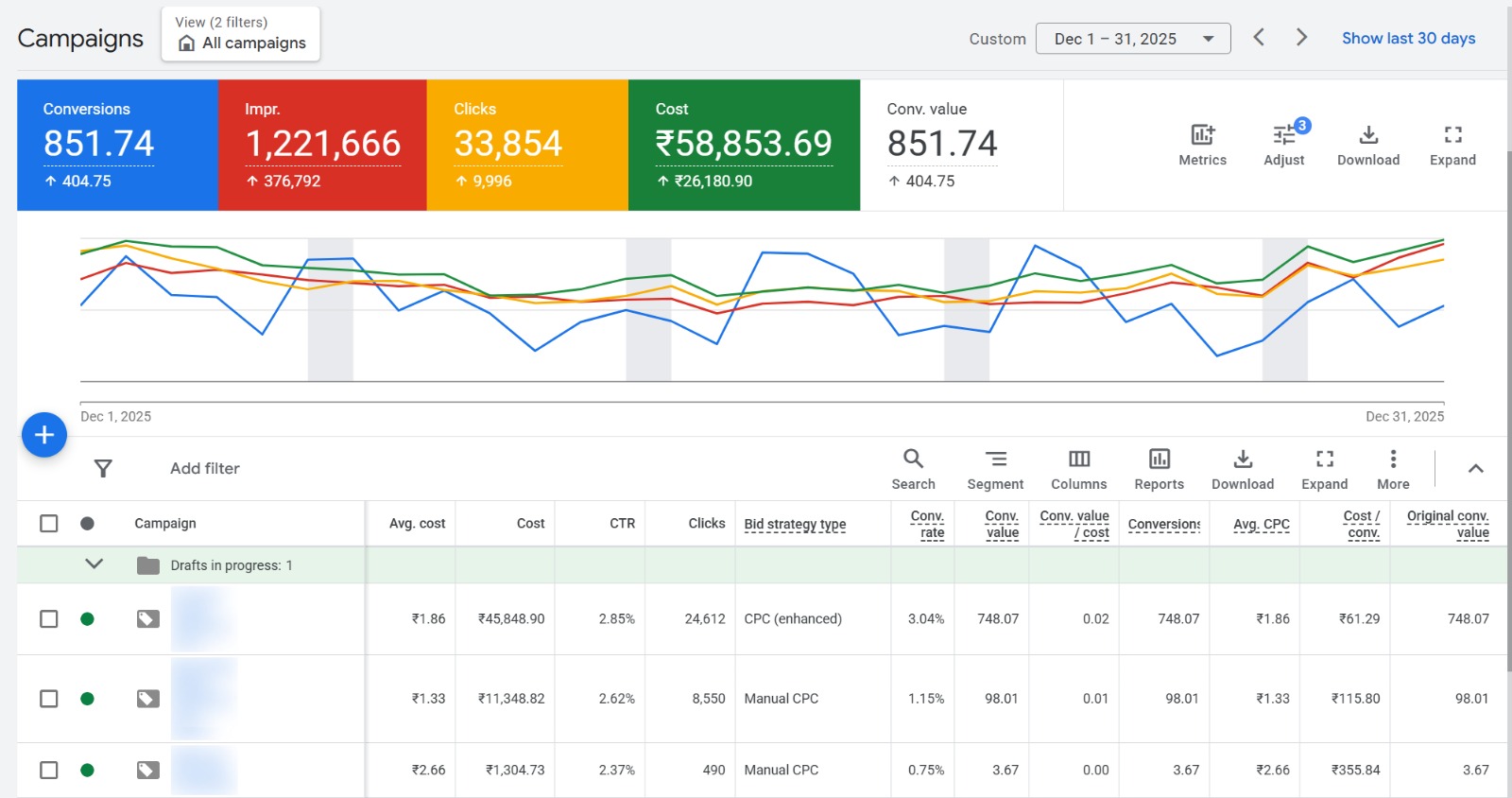
Set up Google campaigns to capture bottom-of-funnel search intent alongside Meta. CPC enhanced strategy delivered 748 conversions at ₹61 per conversion in December alone
Website and product pages
Improved product pages for conversion — fast load, clear offer, trust elements. Google drove 33,854 clicks in December. The page had to convert them.
Meta Ads Campaign Performance
Total spend ₹1,56,418 — generating ₹8,73,631 in conversion value. ROAS ranged from 2.49x to 6.01x across campaigns.
Google Ads
₹58,853 spent across 3 campaigns. 33,854 clicks, 851 conversions at an average CPC of ₹1.74. CPC enhanced campaign alone delivered 748 conversions at ₹61 per conversion.
What This Showed
Structure before scale
The biggest unlock was cleaning up campaign architecture before increasing budget. CPP dropped from ₹406 to ₹153 — not from finding a better audience, but from eliminating wasted spend and giving the algorithm clean data to work with.
Creative angle was the main variable Once tracking and structure were sorted, creative testing drove the results. Weekly rotation across different angles — with winners moved to Advantage+ — was the process, not a one-time fix.
Both channels together outperformed either alone Meta built demand. Google captured it. Running both created a full-funnel system rather than relying on one platform to do everything.
228% revenue growth came from the system, not the spend Total ad spend across both platforms was under ₹2.15L. The return was ₹9.89L. The efficiency came from structure, tracking, and creative — not from spending more.